


Dr. Chirag Jain - Pioneering Onco-Anxiology, the Study of Anxiety in Cancer Care.Dr. Chirag Jain - Pioneering Onco-Anxiology Research, the Study of Anxiety in Cancer Care.
Onco-anxiology is the clinical study of anxiety as a physiological event during cancer treatment. Dr. Chirag Jain, a Mumbai-based physician with 18+ years in clinical practice, is researching whether real-time heart-rate-variability (HRV) guided music can reduce this anxiety - validated through an ongoing randomized controlled trial.

0+
Years in Clinical Practice

0
Patents Granted

0
Patient RCT Underway

0
PCT filed · member states

Awards
Jewel of India Star of Asia

Speaker


Author
ONCO-ANXIOLOGY
Just Kill It
Laws of Neuroplasticity
What a Come Back

What Is Onco-Anxiology?
Onco-Anxiology is the clinical study of anxiety occurring across the cancer continuum, from diagnosis and active treatment to recovery and survivorship. It recognises that anxiety during cancer care is not solely a psychological experience, that's why it's reflected in measurable physiological changes involving the autonomic nervous system. By integrating clinical observation with physiological assessment, Onco-Anxiology seeks to improve the understanding of treatment-related anxiety and encourage evidence-based approaches that complement multidisciplinary oncology care.

Why Anxiety during Cancer Treatment Deserves Clinical Attention
Psychological distress, including anxiety, depression, and stress, is an important concern among people receiving cancer care. Patients undergoing chemotherapy, radiotherapy, or combined treatment may experience anticipatory anxiety, treatment-related stress, uncertainty about their prognosis, and concerns about disease progression. Despite advances in cancer care, psychological distress and anxiety may remain under-recognised in oncology settings. Understanding how anxiety manifests during cancer treatment, including its psychological and physiological dimensions, is an important area of ongoing research in Onco-Anxiology.
Persistent anxiety may be associated with:

Treatment adherence

Patient-reported quality of life

Psychological well-being

Sleep and fatigue

Overall treatment experience
Why Anxiety During Cancer Treatment Is Overlooked
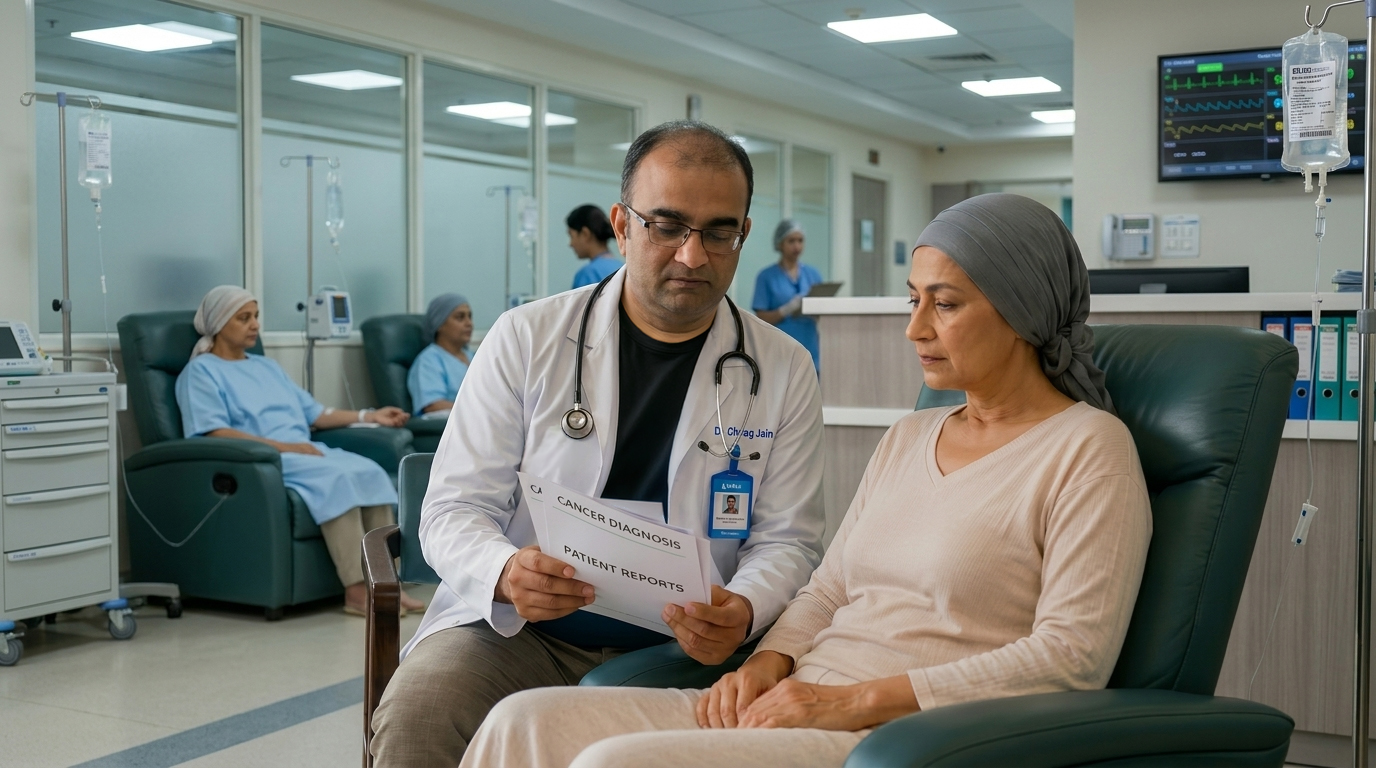
Oncology is extraordinary at keeping people alive. But Dr. Chirag Jain kept noticing something no protocol addressed: the fear patients carried silently through every treatment session. Every session is accompanied with a rising heart rate, tense muscles and an overwhelmed mind. And then returning the next day to do it all again. That led to a simple question: what is the patient feeling, right now, in real time, and can we understand, acknowledge as well as address it? That question became the foundation of Dr. Jain's work in adaptive music therapy for cancer patients.
What he observed

The Silence Nobody Talks About.
Most oncology consultations usually last only for a few minutes. But the room between sessions, the waiting, the anticipating, the sitting alone in the treatment chair, lasts hours. Anxiety during cancer treatment lives in that room.


The Dropout No One Tracks
Patients abandon treatment mid-course, not always because of physical side effects, but because the emotional weight becomes unbearable. Recognising anxiety can help clinicians understand factors affecting treatment experience and adherence.


The Body's Signal Nobody Read
Heart rate variability (HRV), a well-established medical marker of the nervous system's stress state, was being measured in cardiac units and research labs. But no one was using it in the oncology chair, in real time, for the patient sitting there at that time.

What Was On Offer
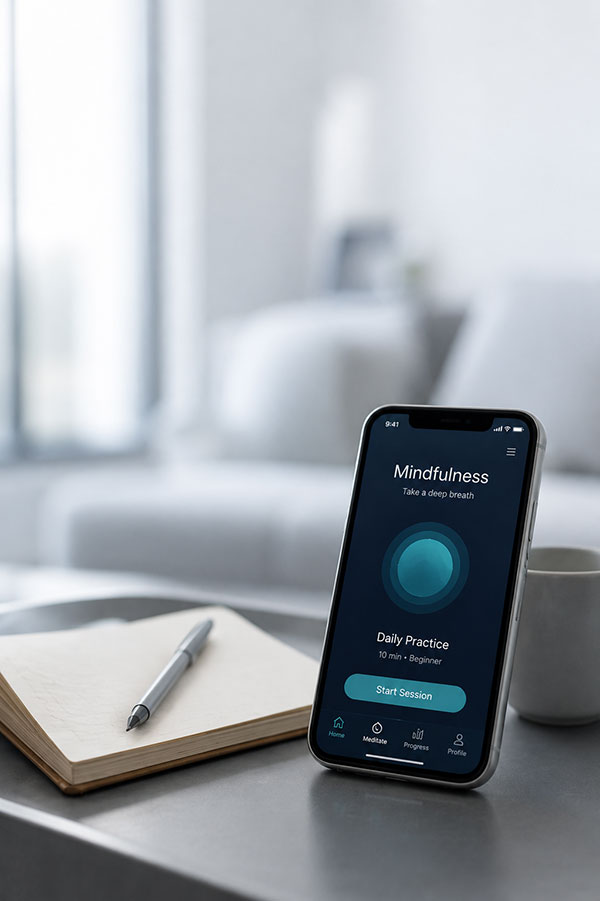
Counselling may be available only periodically, while generic music playlists and meditation applications follow a standardized approach rather than responding to the patient's changing physiological state during treatment. This highlights the need for supportive interventions that can be evaluated and adapted according to individual patient responses.
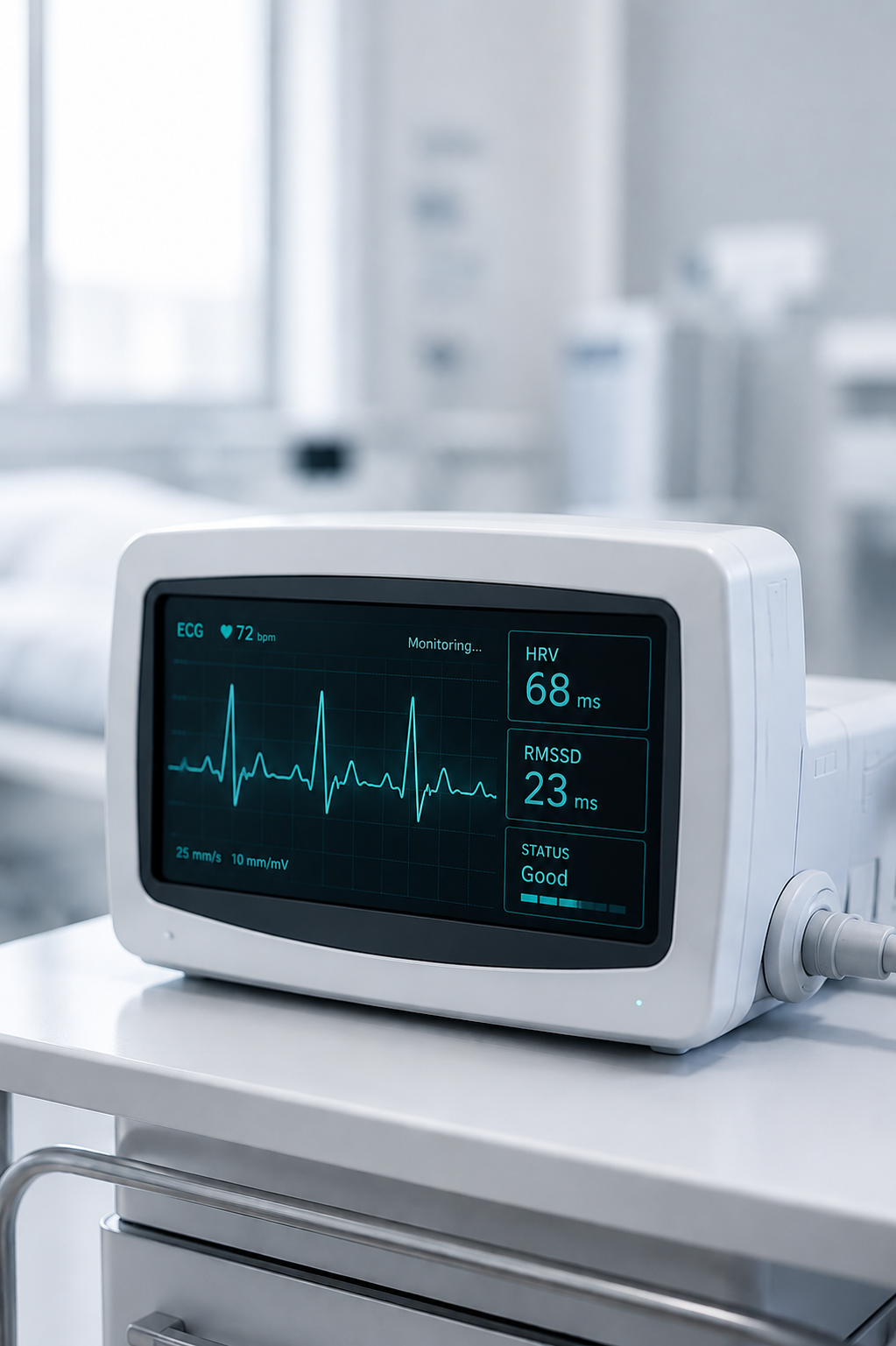

We had built extraordinary machines to treat the tumour. But in that chair, with the machine humming, the patient was completely alone with their fear.— Dr. Chirag Jain

Anxiety as Physiology: The Science of HRV and Cancer Care
This is where Dr. Jain's thinking shifted. Anxiety during cancer treatment is not simply psychological — it is a nervous system event. It shows up in cortisol levels, in heart rhythm, in the measurable suppression of the body's parasympathetic activity. The body is broadcasting its distress, continuously, in data. If the body was speaking — in the form of heart rate variability, in the rhythm between each heartbeat — why wasn't anyone listening? And more importantly: if you could hear it, could you respond to it? Not with a drug. Not with a script. But with something that moves with the patient, adapts to them, and asks nothing of them except to simply receive it. That is when Dr. Jain arrived at music — not as a pleasant distraction, but as a physiological intervention. One that could be guided by the body's own signals. One that could adapt in real time. One without side effects, without language barriers, without adding a single milligram to an already heavy treatment burden.
Anxiety as Physiology: The Science of HRV and Cancer Care

The Nervous System Is Measurable
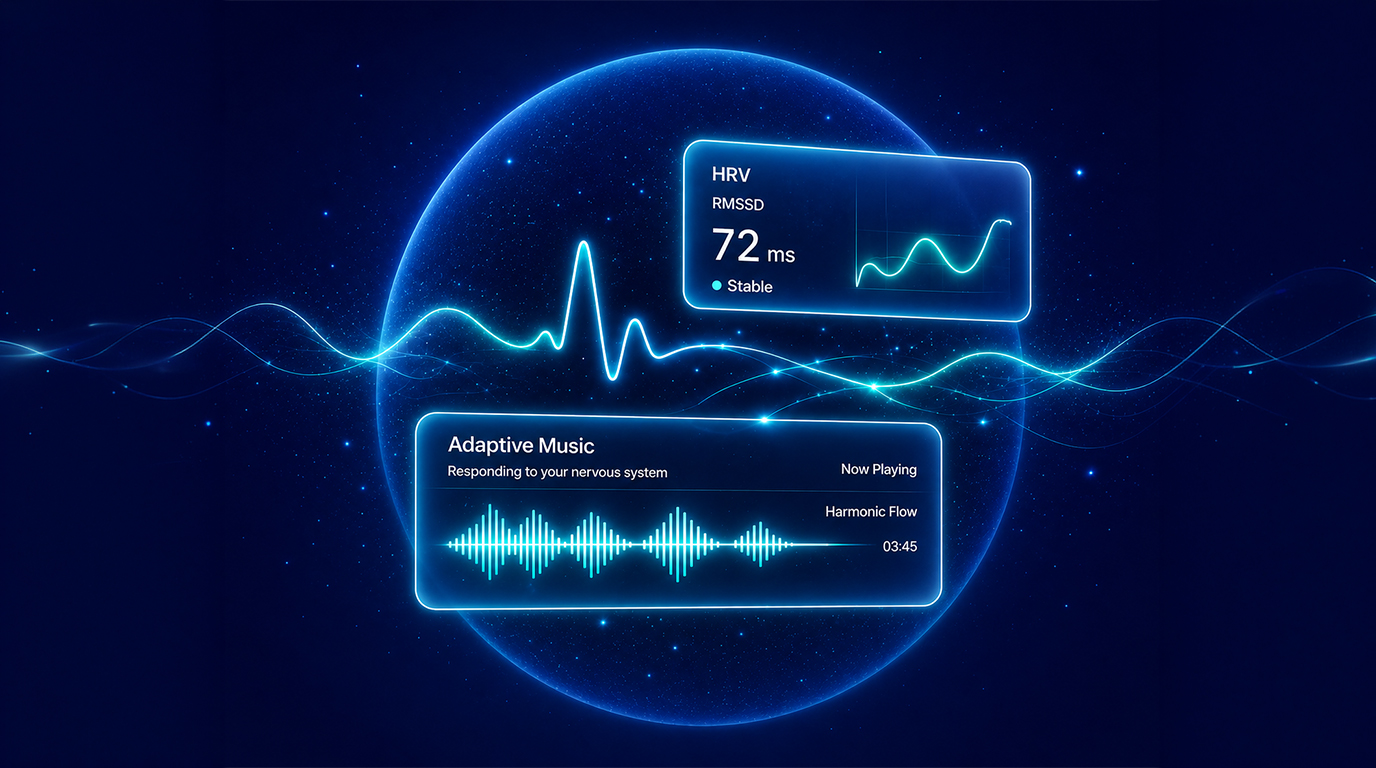
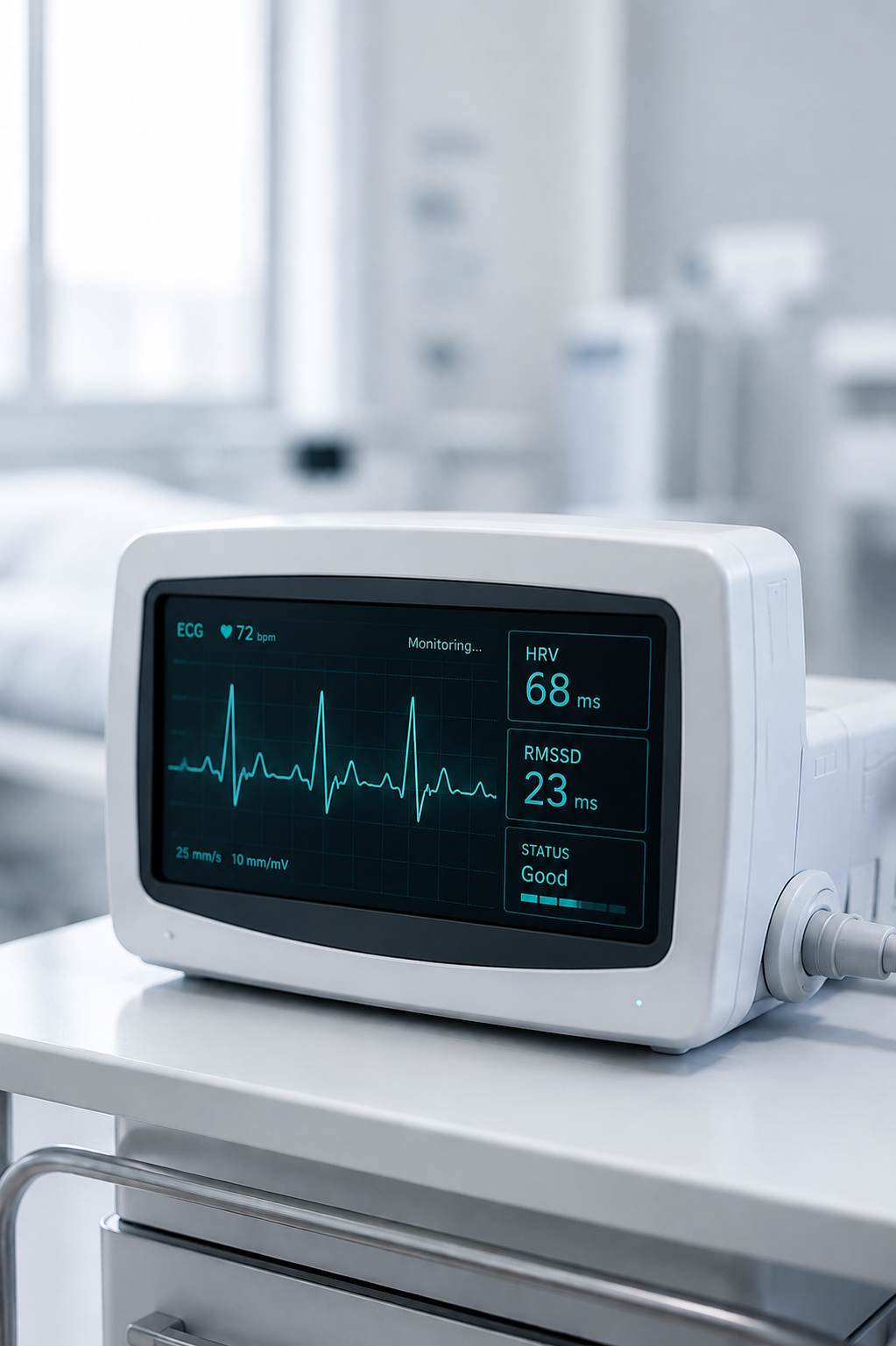
Heart Rate Variability, specifically RMSSD (Root Mean Square of Successive Differences), is medicine's validated window into autonomic stress. When anxiety peaks, RMSSD drops. When the nervous system calms, RMSSD rises. It is a continuous, honest signal from the body.

Music Is a Real Physiological Input
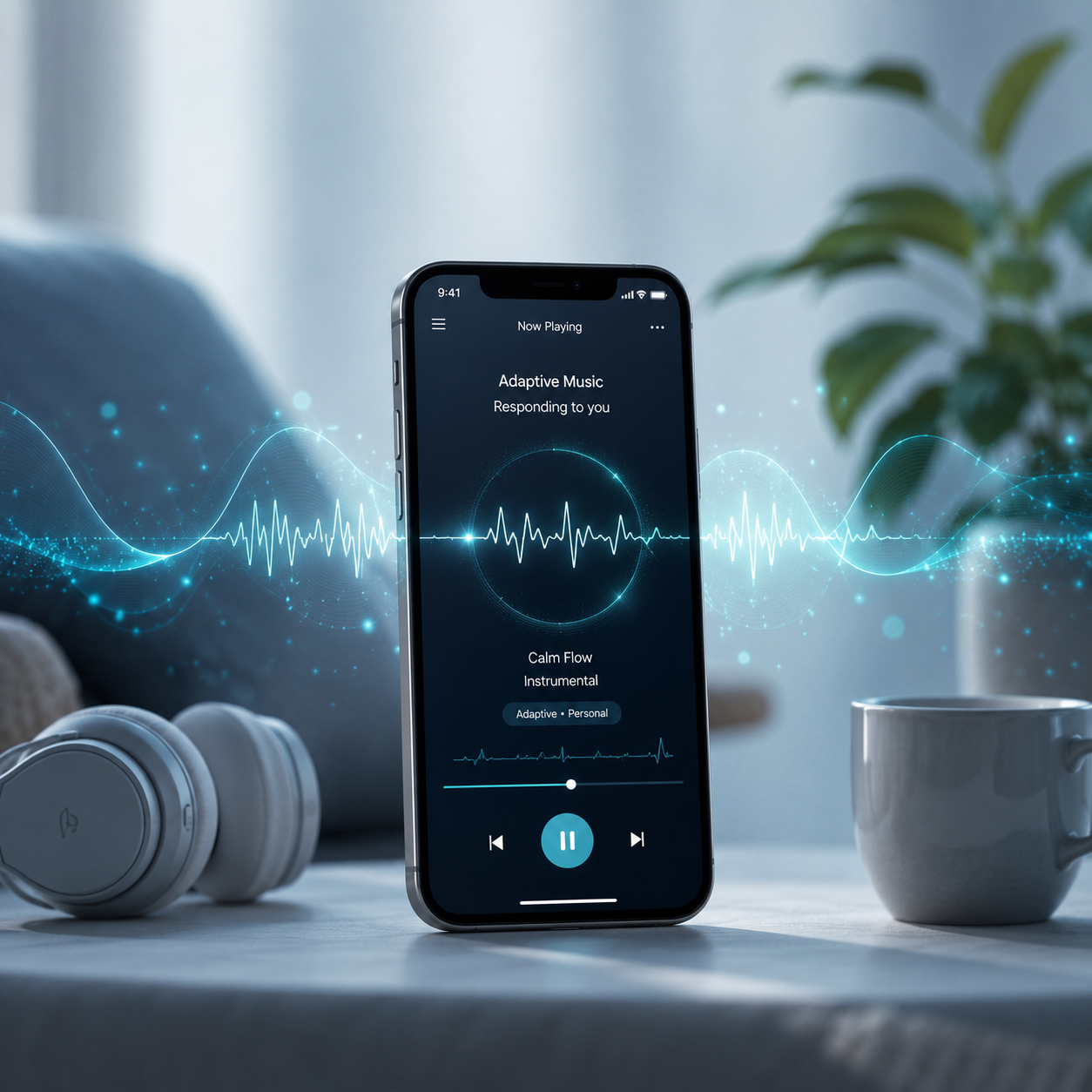
Music can influence physiological processes, supporting the regulation of respiration, cardiac activity, and the body's autonomic response to stress. Decades of research show measurable physiological changes from music, specifically instrumental music, which bypasses the cognitive load of language.


The Loop Had Never Been Closed
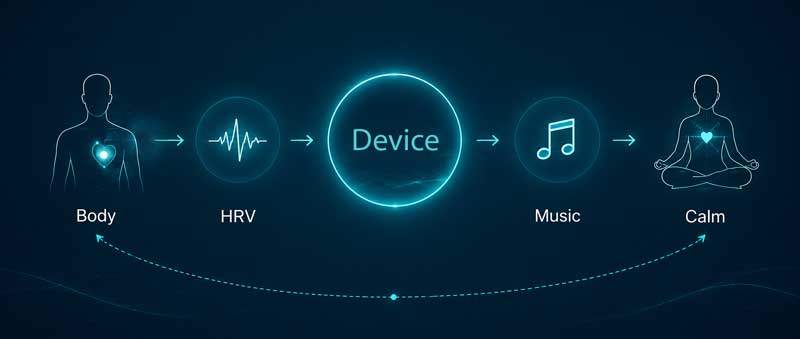
Nobody had built a system that reads HRV in real time and uses it to drive music selection, creating a closed physiological loop. The one that reads the patient's physiological state in real time, adapts music accordingly, observes the resulting response, and continuously adjusts the intervention.
From Clinical Observation to a Closed-Loop HRV Therapy Device
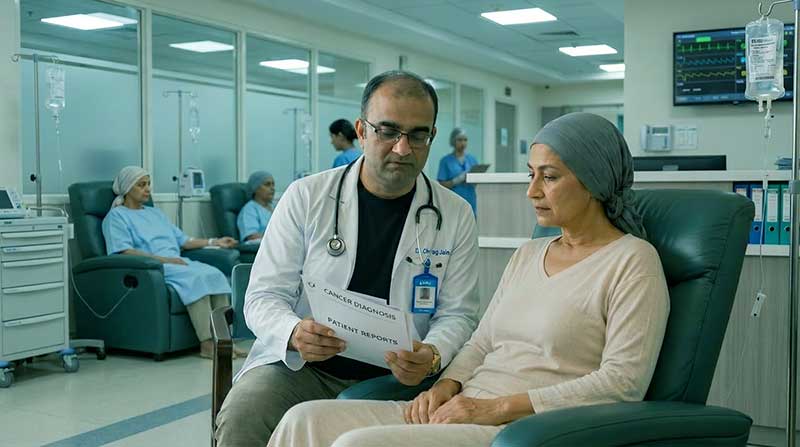
Most clinicians who see a gap write a paper about it, but Dr. Chirag Jain chose to build. The question demanded an instrument that did not exist, one that could read the nervous system continuously and respond in the same moment. So the work moved from the clinic to engineering: signal validation against gold-standard HRV analysis, patent filings, and finally a randomised controlled trial designed to test the idea against the hardest evidence standard medicine has. The path from observation to invention took years. Each step was deliberate to establish that the signal is reliable and the response is measurable, only then asking patients to take part, inside a trial, with consent, with controls, and with a commitment to publish whatever the data shows.

20+ years of clinical observation
The insight did not arrive in a flash. It accumulated — patient by patient, session by session — as Dr. Jain watched the gap between excellent cancer treatment and the human experience of receiving it.
A deep dive into the science of HRV
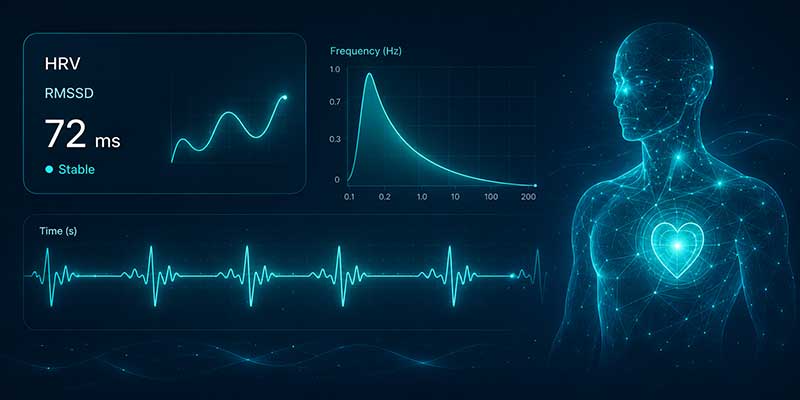
Heart rate variability had been validated in cardiovascular medicine, stress research, and oncology fatigue studies. The science was established. What was missing was someone to apply it here, in this context, in real time.
Building a closed-loop therapy device
Device reads HRV continuously during treatment. When the nervous system shows distress, the music adapts — shifting toward grounding or calming compositions. No drugs. No instructions to the patient. Just a body, listened to, and responded to.
Building Skitii — a closed-loop therapy device
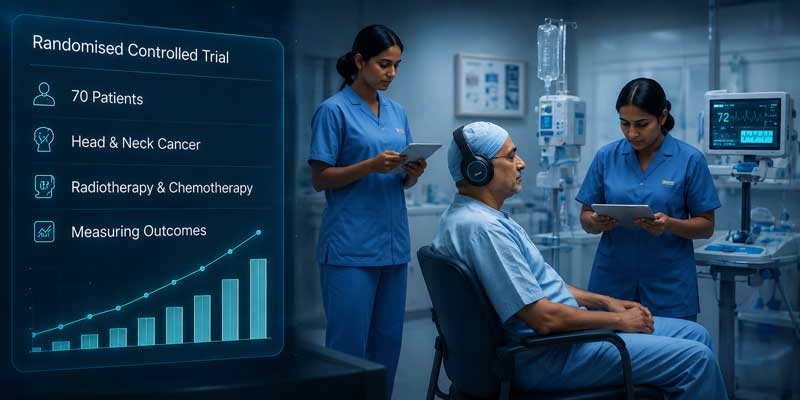
A 70-patient randomised controlled trial at Yenepoya Medical College — head and neck cancer patients, undergoing radiotherapy and chemotherapy — is now measuring whether the idea holds. Dr. Jain has designed it to give an honest answer, whatever that answer may be.
Dr. Chirag Jain's Approach to Treating Anxiety in Cancer Care
After 18+ years in clinical practice, Dr. Jain has arrived at a set of convictions that shape everything he does, in the clinic, in the research, and in the work he is building.
The Mind and Body Are Not Separate in the Treatment Chair
Anxiety during cancer treatment can trigger a physiological stress response, involving changes in cortisol level and autonomic nervous system activity. Treating the tumour while overlooking this psychological burden of cancer means only a part of the patient is being cared for.

Music Is Medicine, If You Use It Like Medicine
Unlike a fixed playlist, an adaptive therapeutic intervention responds to the individual's physiological state, personalising the intervention as that state changes. Music earns its place in oncology care only when it is guided by what the patient's body is actually doing, not by what we assume they would enjoy.
Compassion Without Rigour Is Not Enough
Every doctor who has sat with a frightened patient has wanted to do more. For Dr. Chirag Jain, this experience has strengthened the need to develop evidence-based approaches that can be evaluated through clinical validation, regulatory scrutiny, and peer review.

Real-Time Response Changes Everything
A weekly counsellor session cannot respond to what the patient is feeling at minute seven of a radiation session. Real-time intervention, continuous, non-intrusive, adaptive, is fundamentally different from anything that has come before it.
The Randomized Controlled Trial: Testing Adaptive Music Therapy in Oncology
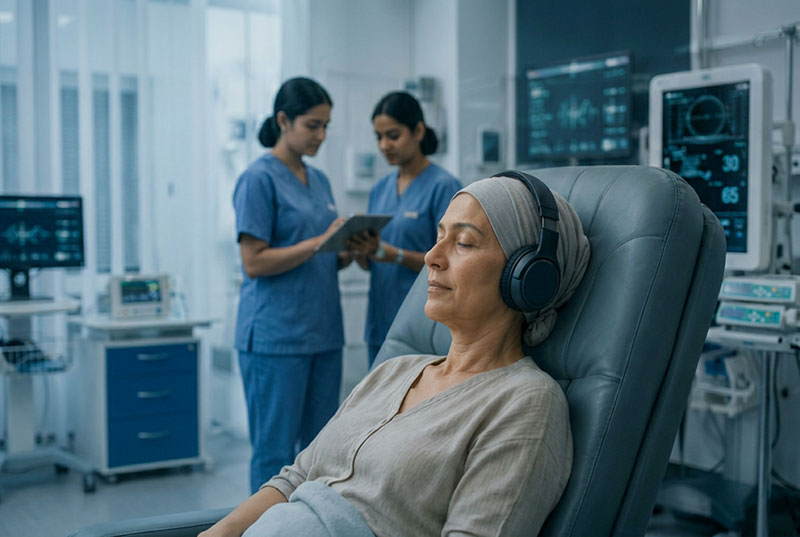
Dr. Chirag Jain's approach is grounded in clinical validation through structured randomised controlled trials designed to evaluate the intervention across different cancer etiologies, including a 70-patient trial at Yenepoya Medical College, Mangalore, involving patients with head and neck cancer undergoing radiotherapy and chemotherapy. Participants are randomly assigned to two groups: one receives adaptive music therapy, while the other receives static music. Both groups are assessed for anxiety, depression, quality of life, and HRV parameters. The primary question: does the adaptive system meaningfully reduce anxiety over three weeks of treatment? The findings will be reported irrespective of the study outcome, reflecting a commitment to scientific transparency and methodological integrity.
The clinical gap he is addressing
Head and neck cancers represent 30% of all cancers in India. Treatment is aggressive - radiotherapy, chemotherapy, or both. And 65–85% of these patients will experience significant anxiety and depression during that treatment.

What the trial measures

HADS anxiety scores (at 3 weeks)

RMSSD values (during sessions)

Treatment adherence

Quality of life
The design isolates one variable: does the HRV-driven adaptive algorithm make a measurable difference?
What rigour looks like

Device validated against gold-standard Kubios HRV analysis before patient enrollment.
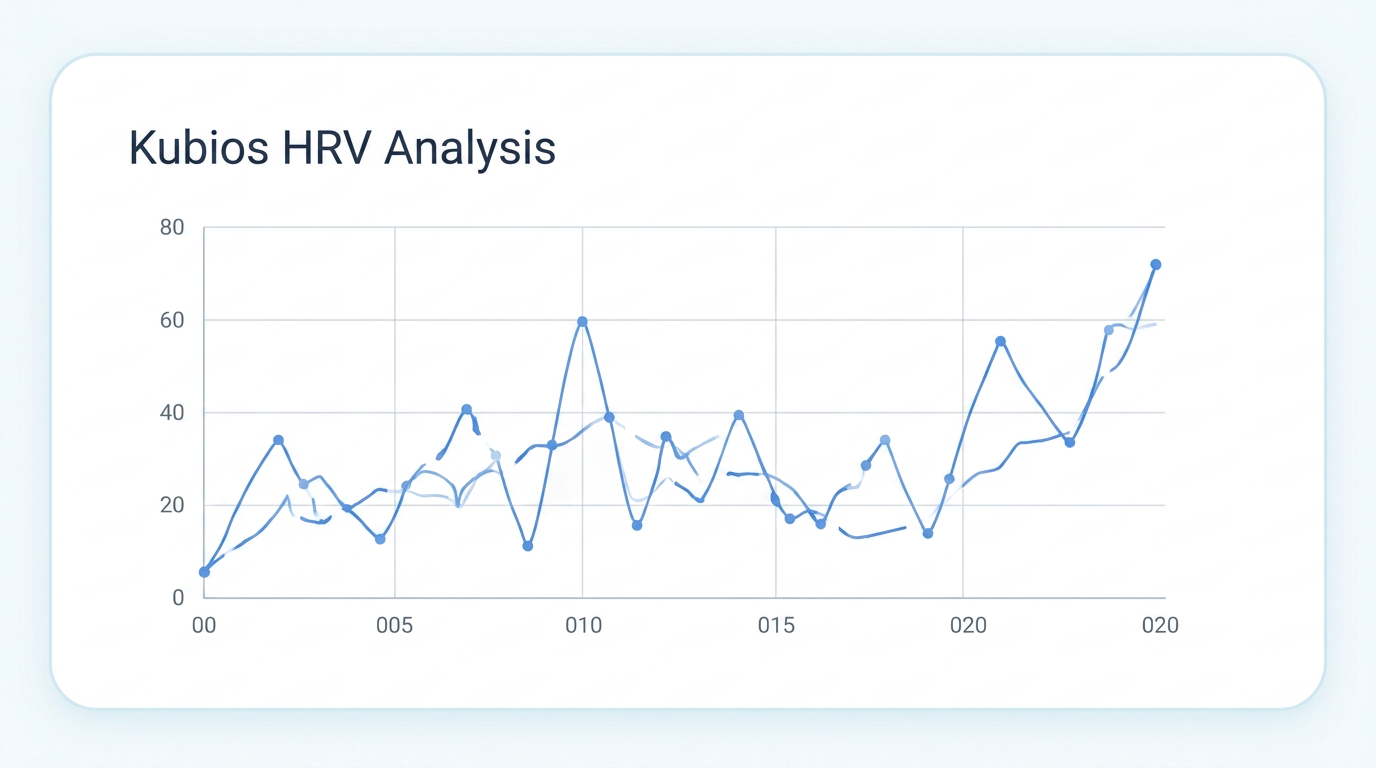

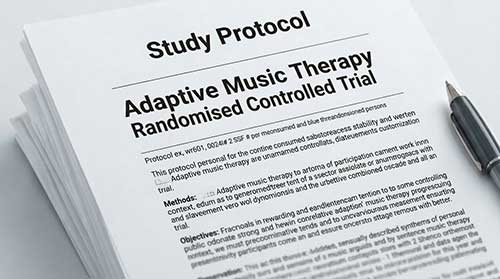
Open science commitment - protocol published, results shared regardless of outcome.
Intellectual work, formally recognised
Method of Identification of Distractions for Study or Work Friendly Environment
Granted · 563614
Method for Monitoring the Focus State of an Individual in Real Time
Granted · 558041
System and Method for AI-Based Adaptive Emotion Regulation
Filed · PCT
Frequently asked questions
Dr. Chirag Jain, MBBS, is a Mumbai-based physician, researcher, author, and Co-Founder of Mindful Gurukul Pvt. Ltd. with 18+ years of clinical practice.